Overview of the Trek to Manaslu Circuit
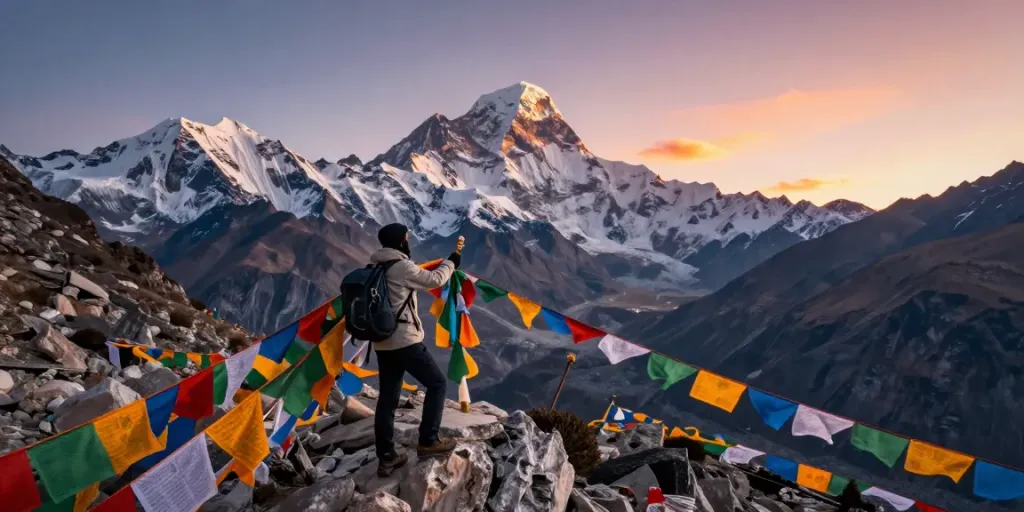
The trek to Manaslu Circuit stands out as an exceptional adventure for those seeking a blend of breathtaking landscapes and rich cultural experiences. Located in Nepal's Gorkha District, this trek encapsulates the majestic beauty of the Himalayas while offering trekkers a chance to immerse themselves in the local culture of the Gurung and Tibetan communities. The journey spans approximately 15 days, covering approximately 177 kilometers (110 miles) and navigating various terrains—from lush forests along the Budi Gandaki River to alpine meadows and high-altitude rocky paths. The highlight of the trek is undoubtedly the crossing of the Larkya La Pass, which provides panoramic views of some of the world's tallest peaks. This trek is not just a physical challenge but also a deeply enriching experience that connects trekkers with the timeless beauty of nature and the heritage of the Himalayan people.
What Makes the Manaslu Circuit Unique?
The Manaslu Circuit Trek is often overshadowed by its more popular counterparts, such as the Annapurna Circuit and Everest Base Camp treks. However, this trek offers a unique experience characterized by fewer crowds and an authentic trekking atmosphere. The trek is located in a restricted region, which keeps the number of visitors lower, allowing trekkers to enjoy the serene beauty of untouched landscapes and the tranquility of remote villages. Additionally, the trek offers an insight into the rich Tibetan culture, with opportunities to visit ancient monasteries, experience traditional festivals, and partake in local customs that have been preserved for generations.
Essential Highlights of the Trek
- Mount Manaslu: Witness the stunning eighth-highest peak in the world, towering at 8,163 meters (26,781 feet).
- Larkya La Pass: Experience the exhilarating views from this high mountain pass, located at an elevation of 5,160 meters (16,929 feet).
- Cultural Encounters: Interact with the local Gurung and Tibetan communities, stroll through traditional villages, and discover their unique way of life.
- Natural Beauty: Hike through diverse landscapes, including lush subtropical forests, arid highlands, and glacial valleys.
- Wildlife Spotting: Keep an eye out for rare species such as the snow leopard and Himalayan tahr in the Manaslu Conservation Area.
Key Challenges Faced During the Trek
While the trek offers incredible rewards, it also comes with its fair share of challenges. Trekkers must be prepared for long days of walking, often 5 to 8 hours, with varying altitudes influencing the difficulty level. The path can be steep and rugged, requiring good physical stamina and endurance. Additionally, the altitude at high points like Larkya La Pass poses risks for Acute Mountain Sickness (AMS), which trekkers must be aware of and manage through proper acclimatization and hydration. Weather conditions can also change rapidly, adding to the trek's unpredictability, making it essential for participants to be well-equipped and mentally prepared.
Best Time to Plan Your Trek to Manaslu Circuit
Choosing the right time for your trek can significantly enhance your overall experience. Generally, the best months to trek the Manaslu Circuit are in the spring (March to May) and autumn (September to November). These seasons are characterized by stable weather conditions, clearer skies, and moderate temperatures, creating an ideal environment for trekking. During these months, you can enjoy beautiful views of the surrounding peaks as well as the blossoming flowers and vibrant greenery in spring or the stunning autumn foliage.
Seasons and Weather Conditions
The weather in the Manaslu region can vary greatly based on the season, with cold winters and rainy monsoons providing unique challenges. Spring offers mild temperatures, ranging from 20°C (68°F) during the day to chilly nights around 0°C (32°F) at higher altitudes. In autumn, temperatures are similar, providing clear visibility of the mountains but can drop below freezing at night. Trekking during the monsoon season (June through mid-September) is not recommended due to heavy rainfall, which can lead to slippery trails and landslides.
Impact of Weather on Trekking Experience
Weather conditions greatly influence the trekking experience, as unpredictable storms can result in delays and changes in itinerary. The best practice is to stay informed about the weather forecast and remain flexible with plans. It’s essential to pack gear that can withstand varying weather conditions, including waterproof jackets and insulated clothing. Understanding the climatic nuances will help trekkers adapt and enjoy the spectacular views the region has to offer.
Recommended Months for Trekking
For the most comfortable trekking experience on the Manaslu Circuit, aim for mid-September to early December or March to early June. These periods not only guarantee better weather but also help in avoiding the summer monsoon rains that can render trails treacherous and challenging. Planning your trek during these months maximizes the opportunities for clear views and enriches the overall experience.
Preparing for the Trek to Manaslu Circuit
Preparation is key to a successful trek to the Manaslu Circuit. Both mental and physical readiness should be prioritized, with candidates needing to be in good health and possess a reasonable level of fitness. Engaging in cardio exercises, strength training, and long-distance hiking in the lead-up to the trek is highly recommended. Consult with a physician if you have any pre-existing health conditions that may affect your ability to trek.
Physical Fitness Requirements
The Manaslu Circuit Trek is rated as moderately challenging, requiring participants to walk for 5 to 8 hours daily at high altitudes. Trekkers should have a solid base of cardiovascular fitness, endurance, and strength. Regular training—such as hiking, running, cycling, or working out at a gym—will significantly increase your chances of completing the trek comfortably. Aiming for at least four to five workouts a week for two months prior to the trek is advisable.
Packing List and Essential Gear
Packing wisely can significantly influence your trekking experience. Ensure that you have the following essential gear:
- Clothing: Layered clothing suitable for both warm days and cold nights, including moisture-wicking base layers, insulating layers, and waterproof outer layers.
- Trekking Boots: Durable, waterproof boots with good ankle support are crucial for navigating uneven terrain.
- Sleeping Gear: Rent or bring a sleeping bag rated for -15°C (5°F) for comfort during chilly nights.
- First Aid Kit: Include personal medications, altitude sickness remedies, and basic first aid supplies.
- Hydration System: A reusable water bottle or hydration pack is essential for staying hydrated throughout the trek.
It’s important to check with your trekking company on additional rental options or gear requirements specific to the Manaslu Circuit.
Health and Safety Considerations
Health and safety should be at the forefront of trekking preparations. Trekkers must be made aware of the symptoms of altitude sickness and the importance of acclimatization. The trek includes an acclimatization day in Samagaon, which is essential for adapting to the high altitudes. Always trek with a licensed guide, as they are trained in first aid, emergency response, and altitude sickness recognition. Having travel insurance covering evacuation and high-altitude trekking should also be a priority.
Navigating the Manaslu Circuit Trek Itinerary
The Manaslu Circuit typically takes about 15 days to complete, with a detailed day-by-day itinerary that enables trekkers to experience the full range of landscapes and cultural richness of the region. Here’s a breakdown of what to expect during your trek:
Day-by-Day Breakdown of the Trek
- Day 1: Arrival in Kathmandu: Upon arriving at Tribhuvan International Airport, transfer to your hotel for an overnight stay.
- Day 2: Drive to Machha Khola: The journey takes about 8 to 10 hours via private vehicle, taking you to the start of your trek.
- Day 3: Trek to Jagat: A day dedicated to the scenic trek along the Budi Gandaki River, taking around 6 to 7 hours.
- Day 4: Trek to Deng: Continuing along diverse landscapes, this day will also take approximately 6 to 7 hours.
- Day 5: Trek to Namrung: Experience Tibetan culture in Namrung after about 7 to 8 hours of trekking.
- Day 6: Trek to Lho: A shorter trek of 3 to 4 hours brings trekkers to Lho with stunning views of Mount Manaslu.
- Day 7: Trek to Samagaon: Trek for another 3 to 4 hours to reach Samagaon, the gateway to Manaslu Base Camp.
- Day 8: Acclimatization Day: Take a day to acclimatize, with optional hikes to Birendra Lake or Manaslu Base Camp.
- Day 9: Trek to Samdo: A short trek of 3 to 4 hours leads to the quaint village of Samdo.
- Day 10: Trek to Dharmashala: Traverse the challenging path to Dharmashala over 4 to 5 hours.
- Day 11: Trek to Bimthang via Larkya La Pass: The highlight of the trek, crossing the pass in about 8 to 9 hours.
- Day 12: Trek to Goa: A more relaxed day, taking about 5 to 6 hours of trekking.
- Day 13: Trek to Dharapani: Complete your trek with a 3 to 4-hour walk to Dharapani.
- Day 14: Drive back to Kathmandu: Enjoy a scenic drive back to the capital city, taking about 10 to 12 hours.
- Day 15: Departure: Transfer to the airport for your onward journey.
Accommodation Options Along the Route
Accommodation varies along the Manaslu Circuit, from comfortable three-star hotels in Kathmandu to basic teahouses and lodges during the trek. Expect shared twin rooms with communal bathrooms at lower altitudes, while the facilities become more basic as you ascend. In Dharmashala and Bimthang, dormitory-style accommodation is common. It’s essential to be prepared for a more rustic experience, particularly at higher elevations, while still ensuring a good night’s rest after long trekking days.
Cultural Experiences and Local Interactions
One of the most enriching aspects of the Manaslu Circuit Trek is the opportunity to engage with local cultures. Trekkers will pass through traditional villages, interact with the Gurung and Tibetan communities, experience their hospitality, and learn about their customs and traditions. Visitors can explore ancient monasteries, observe daily routines, participate in local festivals, and enjoy traditional meals, creating lasting memories and connections throughout the journey.
Frequently Asked Questions About the Trek to Manaslu Circuit
How difficult is the Manaslu Circuit Trek?
The Manaslu Circuit Trek is considered moderately challenging due to its length and high-altitude sections. Trekkers should prepare for rugged trails, steep ascents, and long days of walking, typically between 5 to 8 hours each day.
Can beginners attempt the trek to Manaslu Circuit?
While beginners with a reasonable fitness level can attempt the trek, previous hiking experience is beneficial. Adequate preparation, including physical conditioning and familiarity with trekking gear, enhances the chances of completing the trek successfully.
What is the average duration required for the trek?
The average duration for the Manaslu Circuit Trek is approximately 15 days, allowing for acclimatization and a thorough exploration of the area.
Is it possible to trek the Manaslu Circuit solo?
Due to the restricted area regulations, it is mandatory to trek the Manaslu Circuit with a licensed guide. Solo trekking is not permitted in this region.
What permits are required for the trek?
Trekking in the Manaslu Circuit requires several permits, including the Manaslu Restricted Area Permit (MRAP), Manaslu Conservation Area Permit (MCAP), Annapurna Conservation Area Permit (ACAP), and a TIMS card. These permits can be arranged through a registered trekking agency.