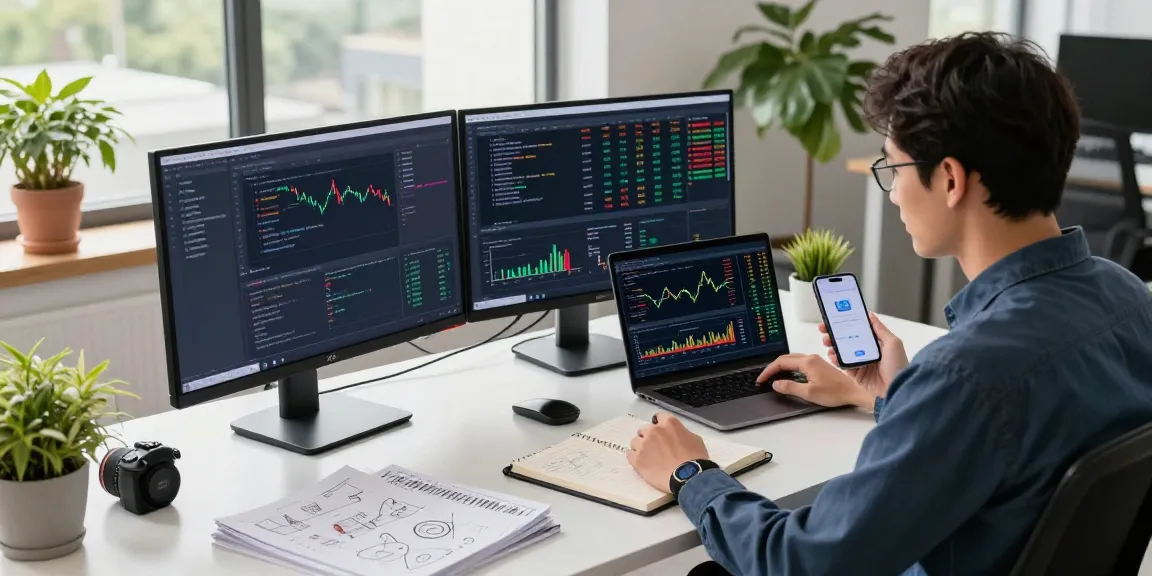
Understanding Index Backtesting Data
In the ever-evolving landscape of finance and trading, the importance of data cannot be overstated. Specifically, index backtesting data plays a pivotal role in shaping trading strategies and refining predictive models. For developers, trading platforms, and research institutions alike, understanding how to effectively utilize this data can lead to improved decision-making and enhanced performance in the markets.
What is Index Backtesting Data?
Index backtesting data refers to the historical performance information of market indices that is used to evaluate the effectiveness of trading strategies or investment models. By applying these strategies to historical data, traders can simulate how they would have performed in past market conditions. This practice is essential for validating hypotheses and ensuring that strategies are sound before deploying them in real-world trading scenarios.
The Importance of Accurate Data
The foundation of successful backtesting lies in the accuracy and reliability of the data being used. Inaccurate or incomplete data can lead to misleading results, potentially resulting in financial losses. Therefore, sourcing credible index backtesting data is critical. Platforms that provide high-quality, real-time, and historical indices, such as the index backtesting data offered by iTick, ensure that developers and traders have access to the most reliable information when conducting their analyses.
Common Misconceptions about Backtesting
Despite its value, there are several misconceptions surrounding backtesting. One common myth is that past performance is indicative of future results. While backtesting is an essential tool, it does not guarantee success in the future. Additionally, many believe that backtesting is foolproof, but it requires careful consideration of factors such as data quality, selection bias, and overfitting. Understanding these limitations is crucial for users to leverage backtesting data effectively.
Accessing Real-Time Market Indices
With the advancement of technology, accessing real-time market indices has become seamless. Developers can tap into APIs that provide robust data feeds, allowing for dynamic trading and analysis.
How to Use the Global Index Data API
iTick's Global Index Data API offers a comprehensive suite of over 300 real-time and historical indices, covering various asset classes including equities, commodities, bonds, and volatility. By utilizing RESTful and WebSocket protocols, developers can easily integrate these data streams into their applications. This flexibility allows for the construction of custom dashboards and trading platforms that cater to specific user needs.
Real-Time vs. Historical Data: What's Best?
The choice between using real-time or historical data hinges on the specific objectives of the user. Real-time data is crucial for live trading scenarios where split-second decisions are required. Conversely, historical data is essential for backtesting and strategy development, providing insights into how strategies would have performed under different market conditions.
Benefits of Using WebSocket for Data Streaming
WebSocket technology enables a persistent connection between a client and a server, allowing for real-time data streaming with minimal latency. This is particularly advantageous for traders who rely on immediate updates to inform their decisions. The reduced lag time can significantly enhance the trading experience, providing traders with the timely information they need to act quickly in volatile markets.
Best Practices for Utilizing Backtesting Data
To maximize the benefits of index backtesting data, it is essential to adopt a structured approach to strategy development and testing.
Creating Effective Backtesting Strategies
Start by defining clear objectives for your strategy; this includes specifying the target return and risk tolerance. Next, ensure that you have access to high-quality backtesting data and tools, such as those provided by iTick. It's also important to use realistic assumptions about transaction costs and market impact during the backtesting process.
Data Analysis Techniques for Developers
Implement data analysis techniques such as statistical analysis, Monte Carlo simulations, and machine learning algorithms to gain deeper insights into the performance of trading strategies. By analyzing various scenarios, developers can refine their strategies to better adapt to changing market conditions.
Avoiding Common Pitfalls in Backtesting
Traders often fall into the traps of overfitting or selecting an insufficient dataset. To combat this, utilize multiple data sources for validation and maintain a rigid separation between training and testing datasets. Moreover, be wary of hindsight bias; what appears to be a winning strategy in retrospect may not perform well when tested in real time.
Case Studies in Successful Backtesting
Understanding real-world applications of index backtesting data can shed light on effective strategies and methodologies.
Examples from Trading Platforms
Leading trading platforms have integrated backtesting capabilities to enhance user experience and strategy development. For instance, a prominent trading platform utilized historical index data to refine its algorithmic trading strategies, resulting in a substantial increase in user engagement and satisfaction.
Research Institutions Utilizing Backtesting
Academic research often leverages backtesting data to analyze market phenomena. For example, a recent study focused on the impact of macroeconomic indicators on equity indices by using extensive backtesting data. The findings provided invaluable insights into how different factors influence market trends, informing both policymakers and investors.
Lessons Learned from Industry Leaders
Industry leaders emphasize the importance of continuous learning and adaptability in the backtesting process. By regularly updating their models and databases, they can better accommodate the rapidly changing financial landscape, ensuring they stay ahead of market shifts.
The Future of Index Backtesting Data in 2026
As we look ahead, the role of index backtesting data is anticipated to expand, driven by technological advancements and changing market dynamics.
Emerging Trends to Watch
Key trends include the rise of artificial intelligence and machine learning in backtesting processes. These technologies are enabling more sophisticated analyses that can uncover complex patterns in market behavior, allowing traders to develop more refined strategies.
Technological Innovations Impacting Data Access
Advancements in cloud computing and big data analytics are making it easier for traders and developers to access and process large volumes of backtesting data. This shift is democratizing data access, empowering more individuals and smaller firms to compete in the market.
Predictions for Market Changes
Market volatility is expected to increase in response to global economic shifts and geopolitical events. This will place a premium on reliable backtesting data, as traders will need to make swift, informed decisions based on historical performances in similar conditions.
How to Stay Ahead in Data Utilization
To remain competitive, traders should continuously seek to enhance their knowledge and tools for utilizing backtesting data. Staying informed about market trends, embracing new technologies, and adopting a proactive approach to strategy development are essential steps for success in the evolving financial landscape.