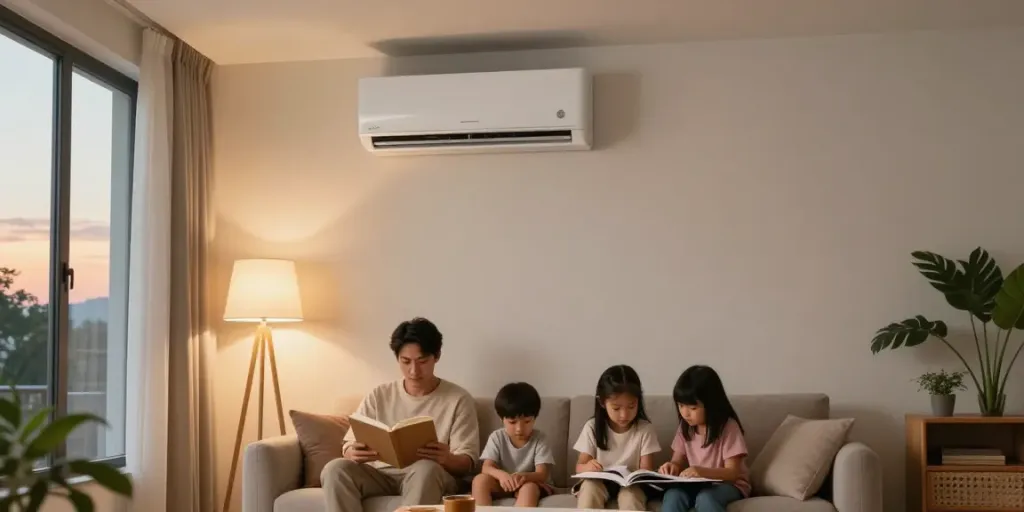
Understanding Mini Split AC Systems
As climate control becomes increasingly vital to comfort, understanding different technologies is key. Among these, the mini split ac system stands out due to its efficiency, flexibility, and sleek design. These systems can offer a tailored approach to heating and cooling, suitable for a myriad of home and commercial environments. This article explores the intricacies of mini split AC systems, their advantages, installation considerations, maintenance, and future trends in the HVAC industry.
What is a Mini Split AC?
A mini split AC is a type of ductless heating and cooling system that allows for independent control of indoor climates. Unlike traditional HVAC systems that rely on ductwork to distribute air, mini splits consist of two main components: an outdoor compressor unit and one or more indoor air handling units. This design makes them ideal for retrofitting older buildings or for homes without ductwork.
Components and Functionality of Mini Split AC
Understanding the components of a mini split AC system is essential for maximizing its benefits. The outdoor unit houses the condenser and compressor, while the indoor units, which can be mounted on walls or ceilings, contain the evaporator coil and fan. The two units are connected by refrigerant lines and electrical wiring, allowing for efficient heat exchange. This split system enables personalized comfort control, as multiple indoor units can be operated independently, accommodating different temperature preferences across various rooms.
Comparison with Traditional HVAC Systems
When comparing mini split systems to traditional HVAC setups, several factors come into play, including installation cost, energy efficiency, and comfort. Traditional systems require extensive ductwork, which can lead to energy loss and increased costs, while mini splits eliminate this issue. Moreover, mini split AC systems typically operate more quietly and can provide zoning capabilities, allowing different areas of a home to be heated or cooled to individual preferences without impacting energy efficiency.
Benefits of Mini Split AC
Energy Efficiency and Cost Savings
One of the primary advantages of mini split AC units is their energy efficiency. They can operate with high SEER (Seasonal Energy Efficiency Ratio) ratings, often exceeding those of conventional systems. This efficiency translates into lower energy bills, making them a wise financial investment in the long run. Additionally, mini splits utilize inverter technology, which adjusts the compressor speed based on the cooling demand, further enhancing efficiency and reducing wear over time.
Convenience and Customizability
Mini split AC systems offer unparalleled convenience and customizability. Homeowners can choose to install multiple indoor units, ensuring that each space retains its desired temperature without the discomfort of hot or cold spots. This feature is particularly beneficial in homes with varying heating and cooling needs across different rooms.
Enhanced Indoor Air Quality
Another notable benefit is the potential for improved indoor air quality. Mini split systems often come equipped with advanced filtration systems that can reduce allergens and pollutants in the air. Regular maintenance, such as cleaning filters, can further enhance air quality, making them an excellent choice for individuals with allergies or respiratory issues.
Installation Considerations
Choosing the Right Size Mini Split AC
Selecting the right size for a mini split AC system is crucial for optimal performance. Units that are too small will struggle to cool the space effectively, while oversized units can lead to increased energy consumption and humidity issues. The first step in determining the appropriate size involves calculating the BTUs required for the specific area based on factors such as square footage, ceiling height, insulation quality, and window sizes.
Professional Installation vs. DIY
While some homeowners may consider a DIY installation to save costs, it’s generally recommended to hire a professional technician. Improper installation can lead to reduced efficiency, system failures, and even voided warranties. Professionals understand local codes and regulations, ensuring that the unit is installed correctly and safely.
Pitfalls to Avoid During Installation
Avoiding certain pitfalls during installation can significantly improve the performance and longevity of the mini split AC system. Common mistakes include improper placement of indoor units, neglecting insulation around refrigerant lines, and failing to adequately secure outdoor units. Addressing these issues can save both time and money in the long run.
Maintenance Tips for Optimal Performance
Routine Maintenance Checklist for Mini Split AC
To ensure that your mini split AC system functions at its best, regular maintenance is vital. Here’s a quick checklist:
- Check and replace filters every month.
- Inspect and clean the outdoor unit to prevent debris buildup.
- Ensure that the condensate drain is free of clogs.
- Schedule professional maintenance at least once a year.
Common Issues and Troubleshooting
Some common problems that may arise with mini split AC units include refrigerant leaks, unusual noises, and reduced airflow. Users should monitor these issues closely, as timely troubleshooting can prevent more significant problems down the line. Basic troubleshooting steps include checking the remote control batteries, ensuring the outdoor unit is free from debris, and inspecting the filters for dirt accumulation.
When to Call a Professional
While many maintenance tasks can be handled by homeowners, certain situations require professional intervention. If you notice significant drops in performance, unusual sounds from the unit, or error codes displayed on the system, it’s time to call in a qualified technician. This proactive approach can help maintain system integrity and avoid costly repairs.
Future Trends in Mini Split Technology
Smart Mini Split AC Features
As technology evolves, so do mini split AC systems. Smart features, such as remote access through smartphone applications, allow users to control their home's temperature from anywhere. These systems also incorporate learning algorithms that adapt to users' preferences, optimizing energy consumption over time.
Innovations in Energy Efficiency
Innovation in mini split AC design continues to push the boundaries of energy efficiency. Expect to see models that utilize solar energy and advanced insulation materials, reducing reliance on traditional power sources. Energy Star certifications are also becoming more stringent, pushing manufacturers to develop greener solutions.
Eco-Friendly Refrigerants and Climate Impact
With increasing awareness of climate change, manufacturers are moving towards eco-friendly refrigerants that have a lower environmental impact. New regulations are driving the industry towards alternatives that do not contribute to ozone depletion, improving not only system efficiency but also aligning with sustainability goals.
What are the disadvantages of a mini split?
Despite their numerous advantages, mini split AC systems come with some disadvantages. These include higher upfront installation costs compared to traditional systems and aesthetic concerns regarding indoor units. Additionally, regular maintenance is essential to keep the system running efficiently. Homeowners should weigh these factors when considering a mini split system for their climate control needs.
Is a mini split AC worth it?
In many cases, yes, a mini split AC is worth the investment. The energy savings, comfort, and flexibility they provide often outweigh the initial costs. However, each unique situation should be evaluated based on individual needs, home layout, and budget constraints.
Why is my electric bill so high with mini split?
If you notice high electric bills with your mini split AC, several factors could be influencing it. Incorrect sizing, improper maintenance, or inefficient use can contribute to elevated energy costs. It's essential to ensure that the system is appropriately installed and serviced regularly to maintain efficiency.
What's the average cost to put in a mini split?
The average cost of installing a mini split AC system can vary widely, influenced by factors such as the number of indoor units, the complexity of the installation, and geographical location. On average, homeowners can expect to pay between $3,000 to $5,000 for a system installation, although this can increase for larger or more complex setups.