Understanding Wood-Boring Insects and Their Impact
Wood-boring insects, such as woodworms and longhorn beetles, pose a significant threat to wooden structures, furniture, and even entire buildings. These pests can inflict severe damage by hollowing out wood and compromising its integrity, leading to costly repairs and potential safety hazards. Understanding these insects and the implications of their presence is crucial in protecting valuable wooden items and maintaining structural safety. When exploring options for effective treatments, Shashel provides comprehensive insights into innovative solutions for eliminating these pests.
What Are Wood-Boring Insects?
Wood-boring insects encompass a variety of species that infest wood, including the notorious woodworm, house longhorn beetle, and powderpost beetles. Adult wood-boring insects typically lay their eggs in cracks or holes in wooden surfaces, and upon hatching, the larvae burrow deep into the wood, feeding on it and thereby creating tunnels. While many species are harmless in small numbers, infestations can escalate quickly, turning what may seem like minor damage into a serious problem.
The Damage They Cause to Structures
The damage inflicted by wood-boring insects can be extensive and often goes unnoticed until it is significant. Early signs of an infestation may include small holes in the wood or powdery frass (insect excrement) around the infested area. As the larvae consume the wood, they weaken its structural integrity, which can lead to sagging floors, cracked beams, and even collapse in severe cases. Property owners often face hefty repair bills, and the loss of irreplaceable antique furniture or wooden artifacts can be devastating.
Traditional Pest Control Methods: Limitations and Risks
Traditional pest control methods for wood-boring insects often involve chemical treatments, which may be effective but carry several risks. Commonly used pesticides can be toxic not only to insects but also to humans and pets, posing health risks during and after application. Moreover, these chemical treatments may not penetrate deeply enough to reach larvae hidden within the wood, leaving behind a lingering threat. As a result, many property owners are turning to alternative methods that promise swift and effective results without the associated hazards.
Introducing Shashel: The Innovative Solution
Shashel presents a groundbreaking approach to woodworm elimination through the use of microwave technology. This innovative solution effectively targets wood-boring insects, larvae, and their eggs without the use of harmful chemicals. By focusing on the unique properties of microwave energy, Shashel devices provide a fast and efficient way to protect wooden structures while ensuring safety for inhabitants and the environment.
How Shashel Works: Microwave Technology Explained
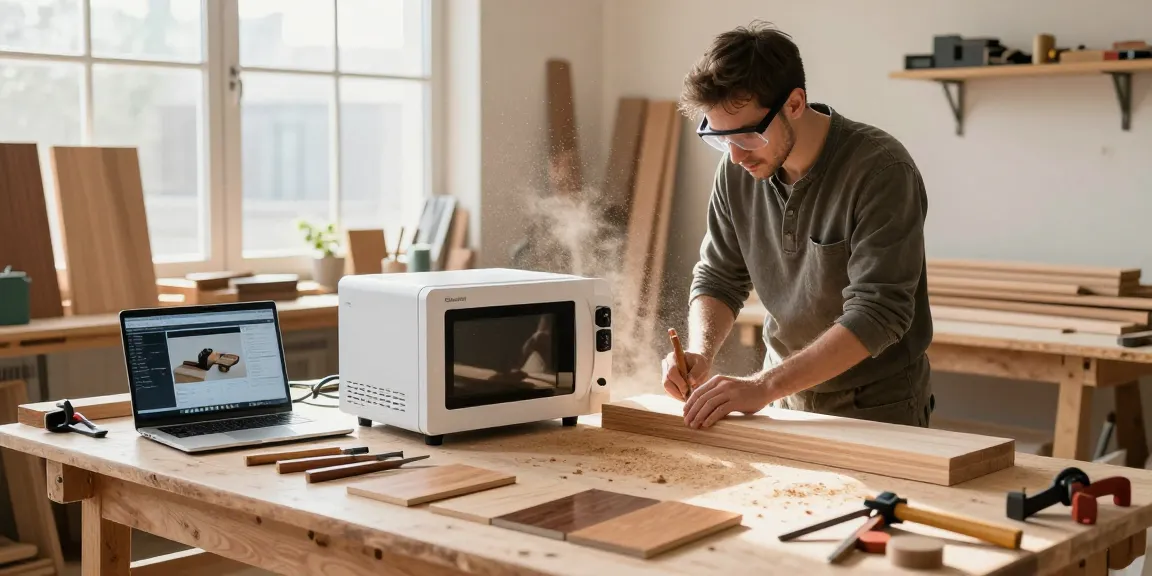
The Shashel technology operates by emitting microwave energy that penetrates wooden materials. This energy excites water molecules within the wood, raising the temperature to lethal levels for wood-boring insects. Unlike traditional methods that rely on surface treatments, Shashel’s deep penetration capability ensures that larvae and eggs hidden within the wood are effectively eliminated. Treatment times are remarkably short, often completing the process in just a few minutes, making it a highly efficient solution.
Key Benefits of Using Shashel
- Speed: Elimination of pests occurs within minutes, reducing downtime during treatment.
- Safety: The chemical-free nature of Shashel technology means it is safe for both humans and pets, making it ideal for residential applications.
- Versatility: Shashel can be used on various wooden structures, including furniture, beams, and floors, effectively treating infestations in diverse settings.
- Environmental Responsibility: By opting for a chemical-free solution, you contribute to a healthier environment, minimizing toxic waste.
- Cost-Effectiveness: Preventing structural damage through timely treatment can save money on extensive repairs and preserve the value of wooden items.
Environmental Impact: Chemical-Free Treatment
The growing awareness of environmental issues has led many consumers and businesses to seek sustainable solutions. Shashel’s commitment to a chemical-free approach signifies a significant advantage in pest control. Not only does this method benefit the immediate environment by reducing the exposure to harmful substances, but it also aligns with the increasing consumer demand for eco-friendly practices in all sectors, including woodworking and construction.
Choosing the Right Shashel Equipment for Your Needs
When selecting Shashel equipment, it is essential to consider your specific requirements and the extent of the infestations you may encounter. Shashel offers various models tailored to different applications, making it easy to find the right tool for almost any situation.
Different Models and Their Applications
Shashel provides a range of devices, including portable units for personal use and more substantial systems designed for commercial applications. The Shashel PRO 300, for instance, is ideal for professionals who need a reliable solution for large-scale infestations. Alternatively, smaller models can effectively treat furniture and minor infestations in residential settings. Each model is engineered to deliver optimal results, ensuring that you can choose the perfect fit for your needs.
Comparative Analysis of Shashel Devices
Choosing between different Shashel models requires a clear understanding of their functionalities. For example, while the Shashel PRO 300 is designed for expansive areas, compact units may provide more manageable options for spot treatments. Users should evaluate factors such as treatment area, frequency of pest occurrences, and budget to determine which device best matches their pest control strategy.
Pricing and Packages: Finding Value
Investing in Shashel equipment represents a long-term solution to pest control challenges. While upfront costs may vary based on the model and features, the potential for saving on repair costs and extending the life of wooden structures makes Shashel devices a valuable investment. Consider any available packages that combine equipment with training or ongoing support to maximize the benefits of this innovative technology.
Implementing Shashel in Your Woodworking Projects
Using Shashel in woodworking projects can significantly enhance the quality and longevity of your work. Proper implementation is key to achieving the best results with minimal risks of re-infestation.
Step-by-Step Guide to Using Shashel
To effectively use Shashel equipment, follow these steps:
- Preparation: Clear the area of any debris and ensure that the wood to be treated is accessible.
- Setup: Position the Shashel device according to the manufacturer’s instructions, ensuring it is securely and safely placed for operation.
- Treatment: Activate the device and monitor the process, keeping an eye on the treatment time to guarantee effective elimination.
- Post-Treatment Inspection: Once the treatment is complete, inspect the area for any signs of remaining pests. It may be necessary to repeat the process for severe infestations.
Best Practices for Optimal Results
To ensure the best outcomes when using Shashel equipment, consider these best practices:
- Regularly inspect wooden structures for early signs of infestation to catch problems before they worsen.
- Follow manufacturer instructions meticulously to avoid damaging the equipment or the treated wood.
- Consider seasonal treatments as a preventive measure, particularly in areas with a history of pest issues.
Common Mistakes and How to Avoid Them
While Shashel is designed to be user-friendly, there are common mistakes that can occur. Ensure that you don’t:
- Neglect to perform a thorough inspection before treatment, which can lead to missed infestations.
- Rush through the treatment process, as effective results require careful monitoring.
- Ignore the importance of following up after treatment to confirm the eradication of pests.
The Future of Wood Treatment: Trends to Watch
The landscape of pest control and wood treatment is evolving, driven by technological advancements and changing consumer preferences. Staying informed about these trends will allow woodworking professionals to adapt and thrive in a competitive market.
Emerging Technologies in Pest Control
The integration of automation and smart technology into pest control solutions is on the rise. Future Shashel models may include features such as app connectivity for remote monitoring or real-time updates on pest activity. These advancements will facilitate proactive pest management, allowing users to respond quickly to detections and prevent infestations from taking hold.
Predictions for the Woodworking Industry in 2026
As the woodworking industry continues to evolve, expect to see a greater emphasis on sustainability and environmentally friendly practices. By 2026, consumers will likely prioritize products treated with safe methods, influencing manufacturers to adopt chemical-free solutions like Shashel. The demand for durable, well-maintained wooden furniture and structures will also grow, creating opportunities for those who can efficiently protect their products from infestations.
Consumer Demand and Sustainable Practices
As environmental awareness becomes a central concern for consumers, businesses will need to adapt by offering sustainable solutions. Shashel’s focus on chemical-free treatments aligns with this shift, catering to a market that increasingly values eco-friendliness in purchasing decisions. Companies that embrace innovative technologies and sustainable practices will be well-positioned to succeed in the coming years.
What is the Shashel technology?
Shashel technology utilizes microwave energy to penetrate wooden materials, raising the internal temperature to eliminate wood-boring insects effectively. This approach offers a safe and rapid alternative to traditional chemical treatments.
How effective is Shashel for woodworm elimination?
Shashel devices provide proven results in eliminating woodworms and other wood-boring insects within minutes, ensuring a high level of effectiveness in pest control.
Can Shashel devices be used for all types of wood?
Yes, Shashel devices are designed to work on various types of wood, making them versatile for different applications, including furniture, beams, and flooring.
What maintenance is required for Shashel equipment?
Regular maintenance of Shashel equipment includes cleaning and inspecting components to ensure optimal performance. Following the manufacturer’s guidelines will prolong the lifespan of the device.
How does Shashel compare to traditional pest control methods?
Unlike traditional pest control methods that typically rely on chemical treatments, Shashel offers a chemical-free, environmentally friendly solution that effectively eliminates pests quickly and safely.